
Helpful tips to save energy

    We all want to save money on energy bills while staying safe and well, and one of the easiest ways to reduce costs is by making small, simple changes which can add up to real annual savings.

    Our top tips, recommended by our partners at  Energy Saving Trust , take no time to put into action, so you can start cutting your energy costs today.

    Verified by Energy Saving Trust

    There are lots of ways you can save money when cooking.

    • Putting a lid on your pan while cooking on a gas hob can save you money on your energy bills this year. Water will boil faster and the lid keeps the heat in the pan, rather than letting it escape, speeding up cooking time and helping you use less energy.
    • Cook slowly to save! Slow cookers are an extremely efficient way to cook, and you can batch cook extra portions for another day to save time as well as energy. Microwaves and air fryers are also great alternatives to using ovens.
    • Only boil as much water as you need - overfilling your kettle wastes energy. Filling your kettle with just the amount of water you intend to use could save you £10 each year.

    Turning down the temperature where you can, can help keep costs down too.

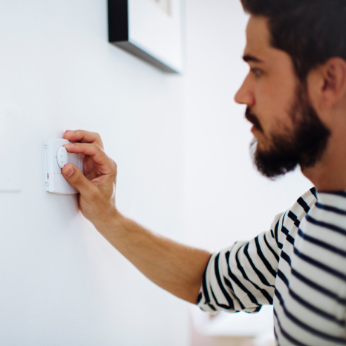
    • Typically, a large percentage of your energy bill is from heating your home over the winter. Turning down your heating thermostat by just one degree, from 22°C to 21°C, could save you £90 on energy bills every year. To help to keep you safe and well, your thermostat should be set between 18-21°C.
    • Wash smart! Setting your washing machine to 30° rather than higher temperatures uses less electricity and can save you £12 a year.
    • And make sure you only wash with a full load. Cutting back on just one washing cycle a week can save you an additional £12 a year and further savings on metered water bills.
    • Installing and using a full set of heating controls could save you £110 a year.
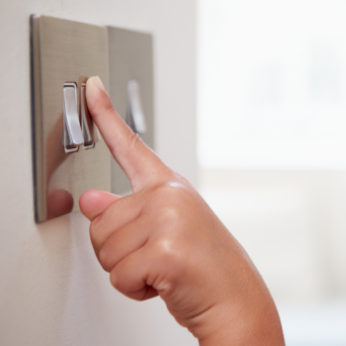
    • It takes seconds and saves pounds - turning off lights when you’re not using them or when you leave a room. could save you around £7 a year.
    • Switching appliances off standby mode could save you £45. This includes energy draining appliances such as televisions, computers, games consoles and phones left on charge - so remember to switch them off.

    Installing insulation throughout the home can reduce the rate at which heat is lost.

    • Adding reflective radiator panels in a home, with uninsulated walls, could save the average household £25 a year.
    • By insulating your home's exposed hot water pipes, you could save £5 each year.
    • Installing a 80mm hot water tank jacket to an uninsulated hot water cylinder could save your household £180 a year.
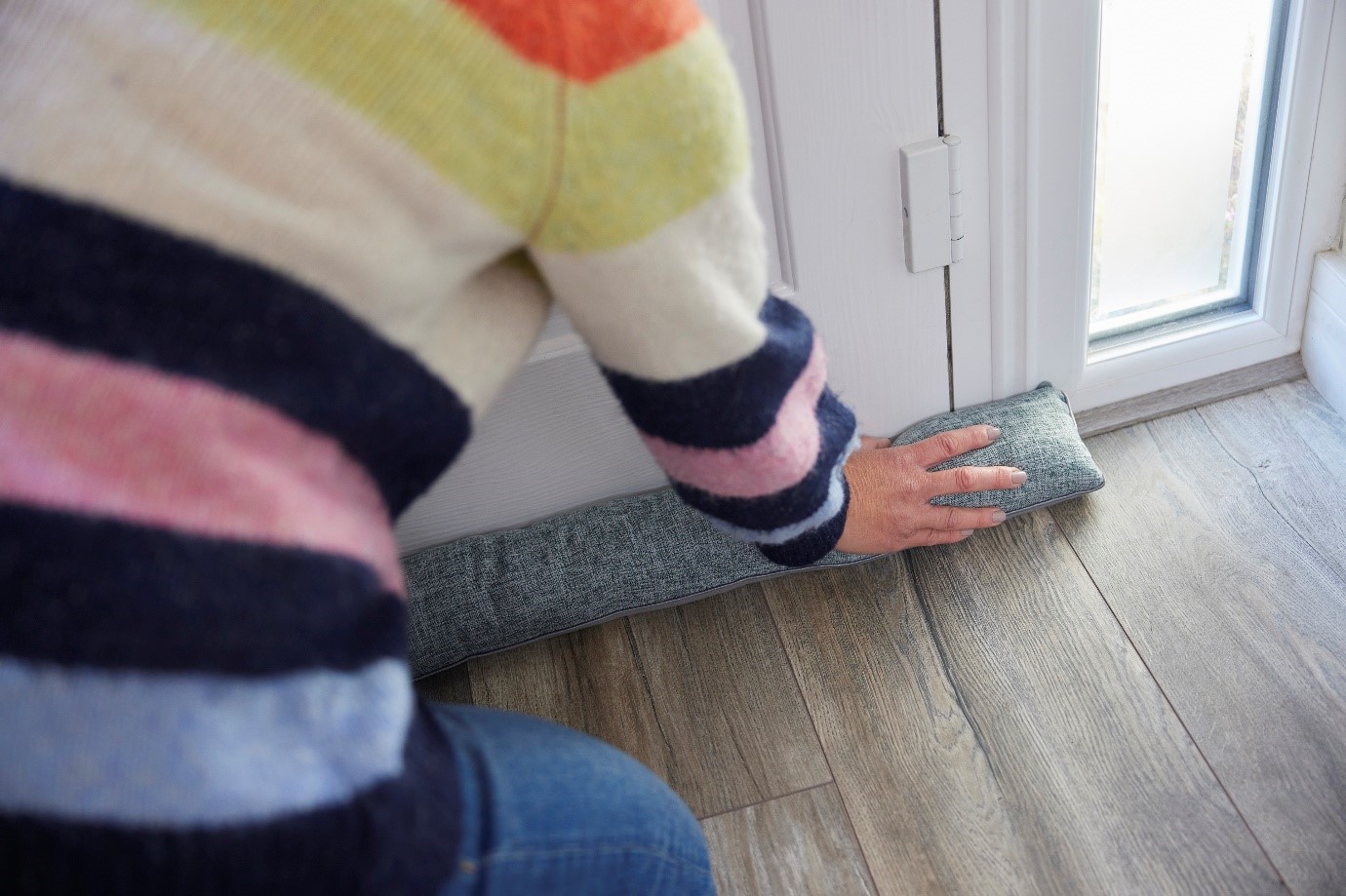
    • 21% of heat loss in a home is through windows and door, draft-proofing both could save the average household £40 a year.
    • Use a washing up bowl to save more energy. It only takes around a minute and a half to fill a washing up bowl with enough water to clean your dishes. - which  will cost much less than leaving the tap running.
    • Take shorter showers. Spending just one minute less in the shower can save £16 a year in a typical household. If you are on a water meter you could save an extra £20 a year.
    • Sticking to 4-minute showers could save a typical household £60 on energy bills and around £75 on metered water bills every year.
    • You can save even more money by replacing an inefficient shower head with a water-efficient one, reducing your yearly gas bill by £25. If you have a water meter as well you can save another £35 - that’s a total saving of £60 each year.
    • Use energy-friendly LED light bulbs. Replacing all the light bulbs in your home with LEDs can save around £40 a year.
    • Swapping out a bath for a shower once a week could save the average household £9 a year. If you have a water meter as well you can save another £13 a year.
    • Using a laptop instead of a desktop computer and not leaving on standby could save you £30 a year.
    Energy Saving Trust has more top energy savings tips for using less energy around the home

    We’re committed to keeping you safe and well

    We’re here to support you. We work with our partners to offer practical advice and services to keep you safe, warm and independent in your home.

    Find out more ways that a little energy can save a lot this winter...

    Other useful resources

    We are working with our partners National Energy Action (NEA), Groundwork and Turn2us to provide you with practical advice and help you find financial assistance with your energy bills.

    Footnotes

    1. All tips are based on an average three-bedroom semi-detached gas heated house, with an average gas tariff of 6.2p/kWh, an electricity tariff of 24.5p/kWh and with an 89% efficient gas boiler (this means for every £1 spent on gas, 89p goes towards heating your home, and 11p is lost as waste). 
    2. Based on turning down a room thermostat from 22 degrees to 21 degrees in the main living areas.
    3. Based on the average energy use at different temperatures from lab testing of 55 washing machine models. Energy use was monitored on an empty load.
    4. This saving includes all appliances, consumer electronics, lights and chargers that have been left on standby mode or have been left on and not in use.
    5. Based on filling a 10-litre washing up bowl with a kitchen tap at half of its full flow - this means the water flow is a moderate, steady stream but not full blast.
    6. Based on an average shower flow rate of 9.82 litres a minute used 0.75 times per person per day in an average household.
    7. Assumes that a household replaces a shower head that uses 9.82 litres of water a minute, compared with a shower head that uses 7.7 litres of water a minute.
    8. A full set of heating controls includes a programmer, thermostatic radiator valves and a room thermostat. This saving assumes the heating system previously had no controls and after installation all new controls are fully used and correctly set.
    9. Based on installation behind radiators on uninsulated external walls. Only recommended for uninsulated solid walled or uninsulated cavity walled properties.
    Development
    Go to current incident
    0!

    Incidents

    Telephone Icon - Contact Us

    Smell Gas?

    *
    Aa Accessibility
    Test environment